

Will Sell-Side Curation Leave Publishers Behind?
By Asaf Shamly | January 15, 2025

Sell-side curation is now the latest buzz in ad tech.
Sure, it’s not a brand-new idea (sellers defined audiences, anyone?), but it’s gaining traction like never before – especially with major players like Google Ad Manager stepping in.
When a giant like Google makes a move, it’s a clear signal the industry is taking curation seriously.
But what does this mean for publishers? And will Google’s influence drive meaningful change – or just more control for middlemen?
While it’s being hailed as a win for publishers taking more control over who sees their ads, we can’t ignore the elephant in the room: sell-side curation might just be another power grab by SSPs to stay relevant.
A Game of Power and Positioning
At its core, sell-side curation feels like SSPs are trying to differentiate themselves and claw back influence from DSPs.
In a way, it’s smart – SSPs are asserting their value, trying to differentiate themselves from one another, ensuring they remain critical to the ecosystem.
But let’s not kid ourselves: I think publishers may be at risk here.
If SSPs dominate curation, they’ll have the leverage to control the data and audiences publishers rely on. That could leave publishers with less bargaining power – and fewer rewards from their own inventory.
Publishers: Don’t Get Left Behind (Again)
Here’s my concern:
While SSPs and curation houses promise higher CPMs and better deal-making, publishers often get sidelined by these innovations.
To really benefit from curation, publishers need to own their data.
The future of programmatic advertising belongs to those who understand their audiences deeply and can offer data-based curated packages that advertisers actually want.
If publishers don’t step up now, curation might just become another missed opportunity, with intermediaries reaping the rewards.
So, while the hype is justified, let’s ensure it’s a win for everyone – not just another SSP power play.
Practically speaking, what can publishers do?
– Invest in first-party data strategies to know their audiences inside out.
– Collaborate with SSPs that align with their goals, not just their bottom line.
– Proactively package curated inventory that advertisers can’t ignore.
As an industry, we owe it to ourselves to make this transition fair and inclusive.
Otherwise, what’s the point?
Latest Articles
-
The World Cup’s best advertising window isn’t the final.
Conventional wisdom says the knockout rounds are the best time to advertise during the FIFA World Cup. PolarisAI's analysis of Meta campaigns across major beverage brands tells a different story. By comparing Coca-Cola's official World Cup creative with Pepsi's tournament-adjacent strategy, we found that advertising efficiency peaked earlier in the tournament, even as audiences continued to grow.
View Now -
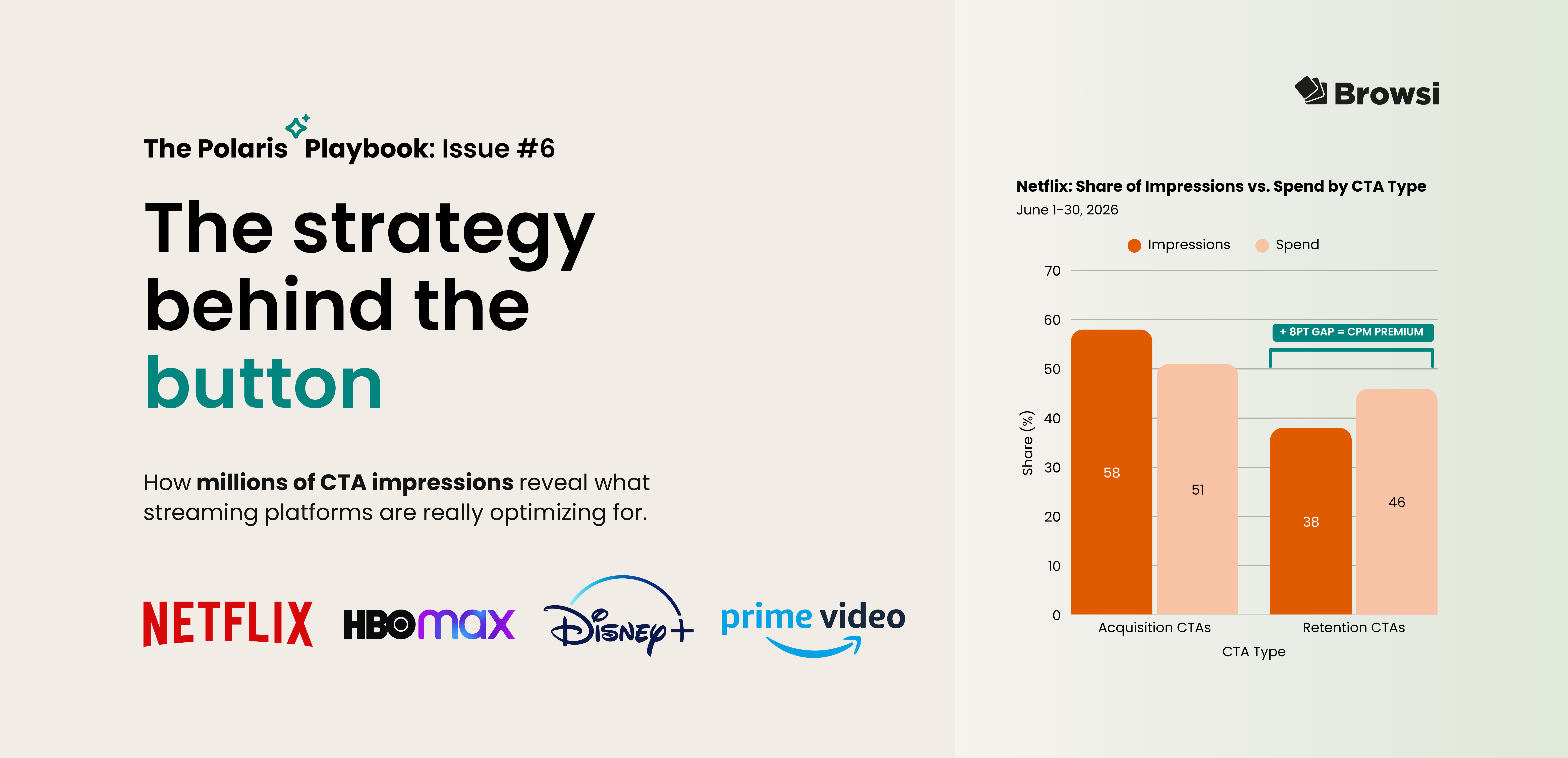
The strategy behind the button: What millions of CTA impressions reveal about competitive strategy
What can a single CTA button reveal about a company's marketing strategy? By analyzing millions of Meta ad impressions, PolarisAI uncovers how Netflix, Prime Video, HBO Max, and Disney+ use "Sign Up," "Watch More," and other CTAs to prioritize subscriber acquisition, viewer engagement, and broader competitive strategy.
View Now -
The 6-step framework for turning signals into strategy
Competitive intelligence only matters if it leads to action. In this edition of The Polaris Playbook, we use Honda and five competitors to demonstrate a practical six-step framework for turning competitive signals into strategic recommendations marketers can actually use.
View Now