

Ad Blockers Are No Longer the Problem They Used to Be
By Asaf Shamly | September 25, 2024

For over two decades, ad blockers have been a headache for publishers.
Today, according to recent stats, 31.5% of internet users globally use ad blockers at least occasionally. While most traffic now comes from mobile devices, desktop still dominates ad blocking.
In the US, almost 40% of desktop users rely on ad-blocking technology.
This, of course, comes with considerable cost implications. Just this year, the popular use of ad blockers is estimated to cost publishers $54 billion in lost advertising revenue.
What may seem even more concerning is that statistics show the global usage of ad blockers continues to rise.
But the situation isn’t as bad as it once was. Ad blocking is no longer a massive problem for publishers.
Why ad blockers aren’t the issue they used to be
In my experience, the narrative around ad blockers has shifted.
Yes, they cause lost ad revenue (we’re talking billions of dollars each year here), but my impression from discussions with publishers is that they seem less concerned about it.
In fact, as ad-blocking technology evolves, so do the ways publishers are adapting.
For example, the largest ad blocker company, formerly Adblock Plus, now works directly with publishers to show ads to their users if both parties cooperate. And in general, there’s a shift toward non-intrusive, advertising formats, which are less likely to be blocked or annoy users.
Plus, advancements in machine learning and AI are helping publishers create more personalized and engaging web experiences that can bypass traditional ad blockers by offering seamless, value-driven experiences instead of disruptive ads.
But don’t get too comfortable just yet
That’s not to say it isn’t a challenge. However, despite the major financial implications, the narrative around ad blocking is changing.
It’s clear that while ad blocking is still on the radar, it doesn’t feel like a full-blown crisis anymore.
Sure, it’s a concern, but it’s not unmanageable.
There’s a sense that, with the right tools and approaches, you can still reach your audience effectively.
Publishers are adapting, and so is the ad ecosystem.
What do you think? Have you noticed ad blocking impacting your business? Or are you seeing it become less of a concern?
Let’s talk about what’s working and what isn’t in the battle against ad blockers and striking the perfect balance between UX and monetization.
Latest Articles
-
The World Cup’s best advertising window isn’t the final.
Conventional wisdom says the knockout rounds are the best time to advertise during the FIFA World Cup. PolarisAI's analysis of Meta campaigns across major beverage brands tells a different story. By comparing Coca-Cola's official World Cup creative with Pepsi's tournament-adjacent strategy, we found that advertising efficiency peaked earlier in the tournament, even as audiences continued to grow.
View Now -
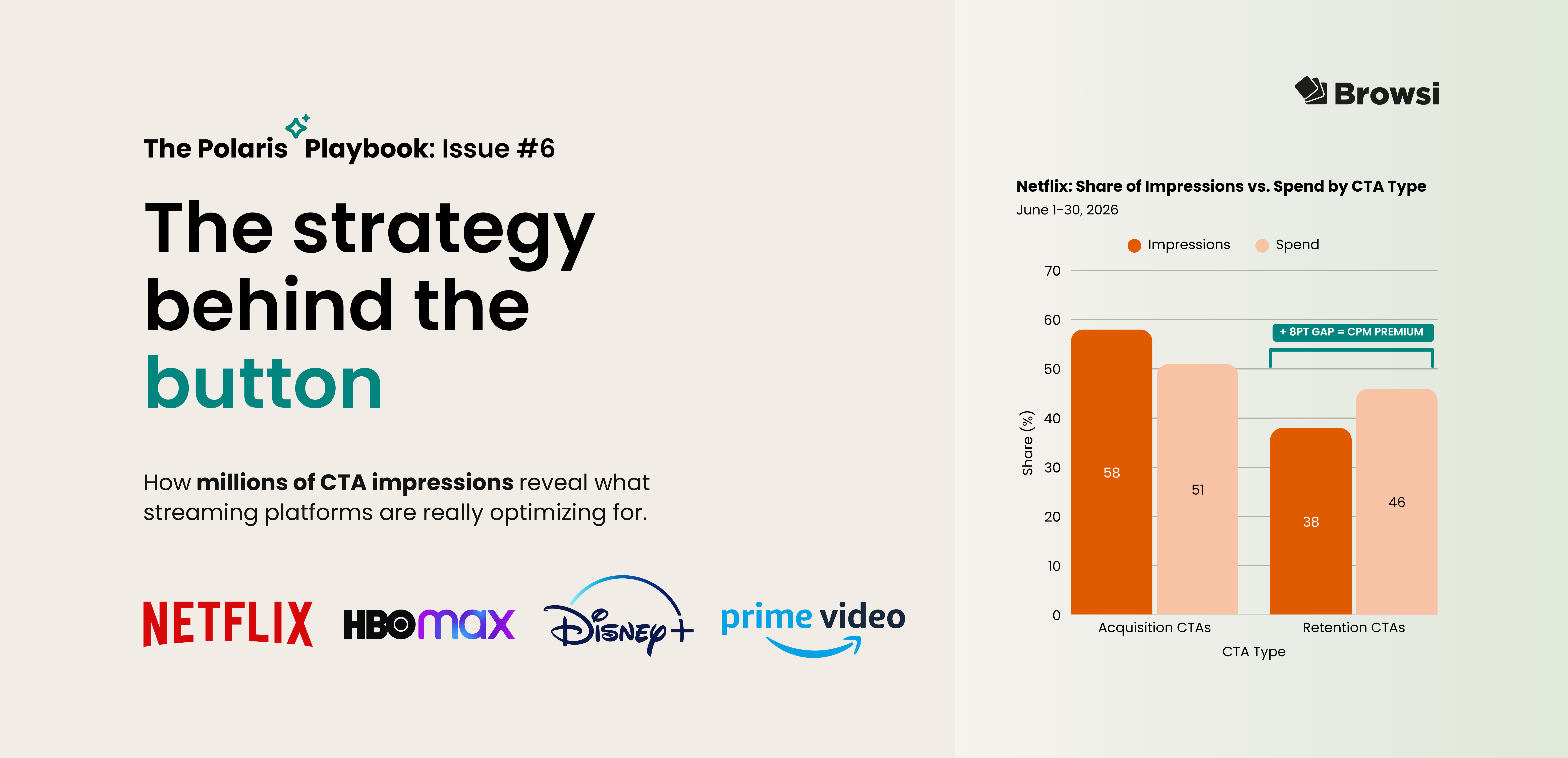
The strategy behind the button: What millions of CTA impressions reveal about competitive strategy
What can a single CTA button reveal about a company's marketing strategy? By analyzing millions of Meta ad impressions, PolarisAI uncovers how Netflix, Prime Video, HBO Max, and Disney+ use "Sign Up," "Watch More," and other CTAs to prioritize subscriber acquisition, viewer engagement, and broader competitive strategy.
View Now -

The 6-step framework for turning signals into strategy
Competitive intelligence only matters if it leads to action. In this edition of The Polaris Playbook, we use Honda and five competitors to demonstrate a practical six-step framework for turning competitive signals into strategic recommendations marketers can actually use.
View Now