

Why Perplexity AI’s Approach Might Be Its Downfall in the Battle with News Corp
By Asaf Shamly | October 31, 2024
In case you’ve missed it, News Corp, the parent company behind The Wall Street Journal and The New York Post has hit Perplexity AI startup with a copyright infringement lawsuit.
News Corp is accusing Perplexity of using its articles to fuel search results without permission in a move that crosses copyright red lines. In other words, News Corp is saying Perplexity is taking advantage of news content without contributing anything back. This type of accusation isn’t the first and probably not the last in the gray area of AI.
Why Perplexity AI’s ‘Freeriding’ Isn’t Going to Last
While nothing new in the world of AI-media conflicts, this lawsuit is probably going to end badly for Perplexity. I doubt the company can stand up against industry giants such as News Corp.
Perplexity will probably claim it uses the news as aggregators to train their AI. Will this defense be enough? Probably not, especially since the company isn’t under fire for the first time. Just this summer, Perplexity was accused of publishing a story very similar to one published by Forbes, obviously, without crediting them.
Media Versus AI – One More Battle
This situation isn’t unique. In fact, media and publishing giants are already pioneering content licensing for AI. Just take News Corp’s own deal with Open AI’s ChatGPT as an example. While some are at least trying to contribute back, others are still looking for shortcuts, or so News Corp claims.
This doesn’t look like an easy battle for Perplexity. Dealing with giants such as News Corp isn’t an easy task, especially given AI is such a gray area. For now, we return to the already familiar question – where’s the line between ‘using’ and ‘stealing’ content with AI? Only time and probably many lawsuits.. will tell.
Latest Articles
-
How to Detect Advertiser Spend Drops Before They Hit
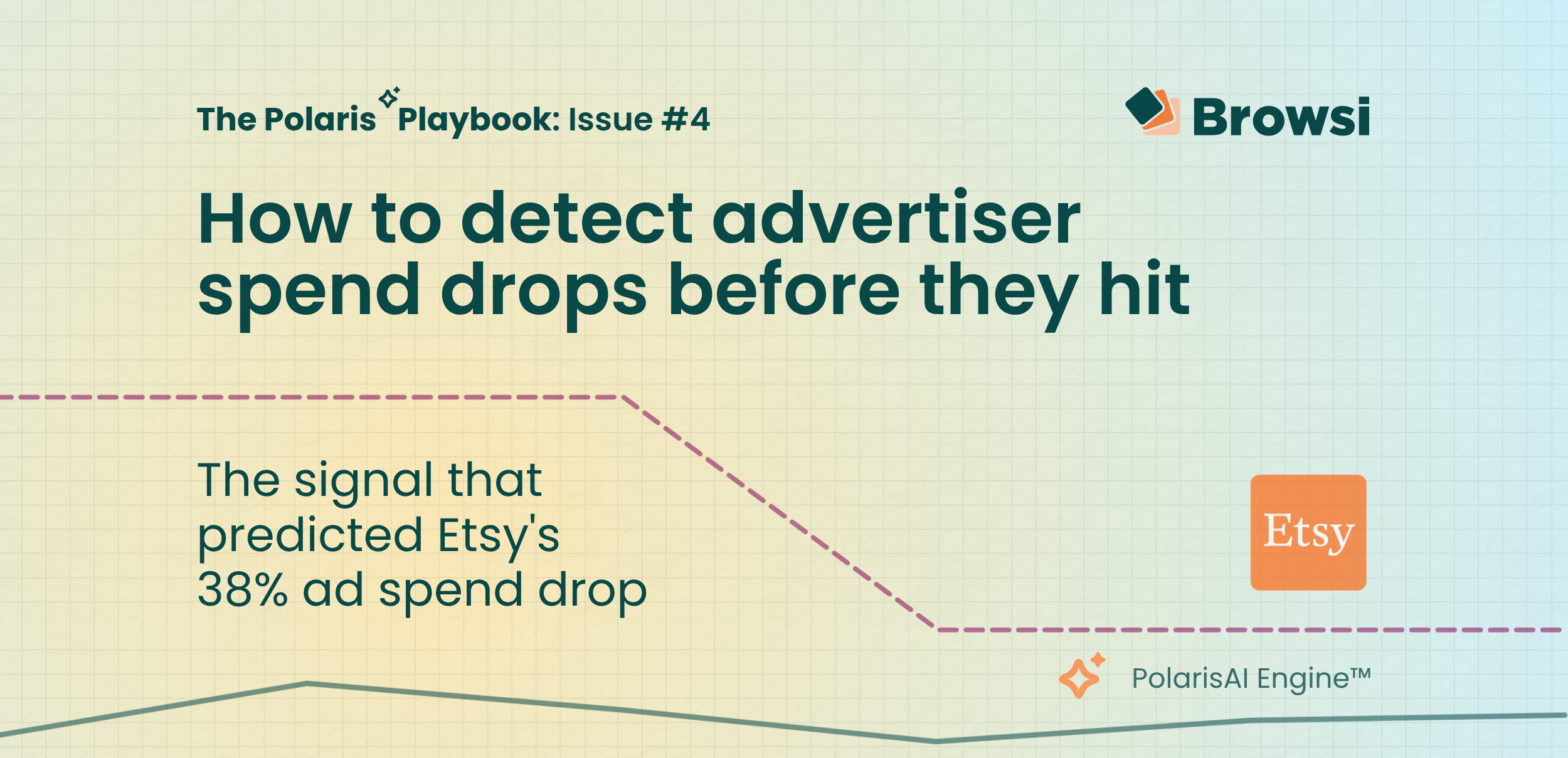
Etsy's earnings confirmed what PolarisAI had already seen: a major pullback in marketing investment. By analyzing competitive signals before quarterly results were released, PolarisAI projected a 38% decline in spend while the market was still reacting to the underlying changes. The result highlights a growing reality for marketers: the most valuable competitive insights often emerge long before earnings calls explain them.
View Now -

How Accurate is Browsi’s Data? Tried and Tested.
Most marketers trust competitive spend data without questioning where the numbers come from. We tested PolarisAI Engine™ against the only benchmark that matters: what advertisers actually reported in their earnings calls. The result was an 87% correlation across five major brands, revealing the difference between data that looks confident and data grounded in reality.
View Now -
Insurance is Boring. Their Social Spend Isn’t.
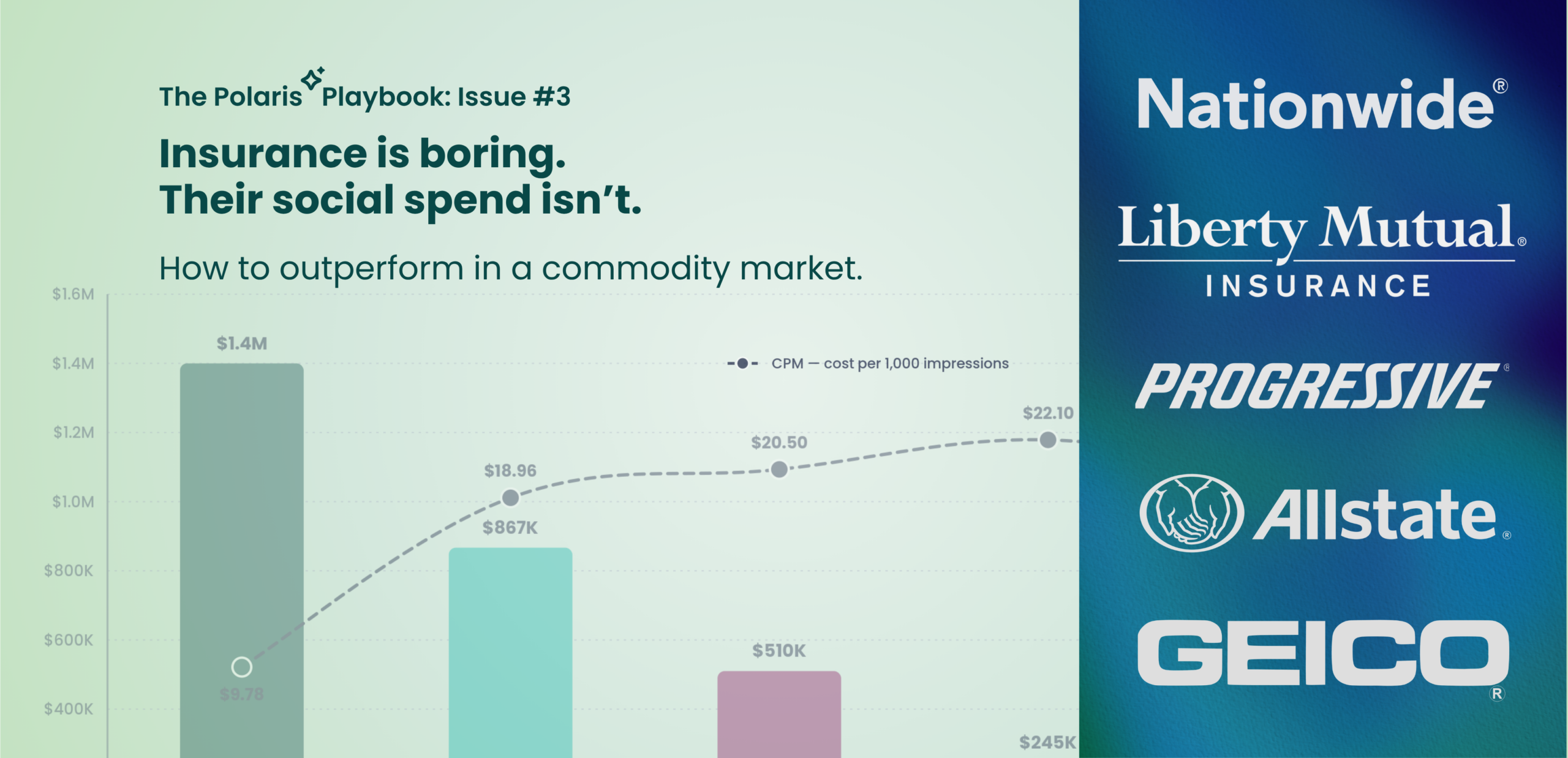
Insurance products may look the same, but advertising performance doesn’t. In this edition of the Polaris Playbook, we analyze how Progressive, GEICO, Allstate, Liberty Mutual, and Nationwide allocate social ad spend — and uncover why Progressive’s CPM is more than 50% lower than competitors despite being the category’s biggest spender. The data reveals a broader competitive advantage hidden inside the auction itself.
View Now