
What the RSL Standard Signals About the Future of Visibility in 2026

When Reddit, Yahoo, Medium, and several of the web’s biggest content platforms announced a new Really Simple Licensing (RSL) standard, most coverage focused on the politics: platforms finally demanding compensation from AI companies; a new legal framework for training data; the good old open-web fight. But if you take one step back, something bigger comes into focus. For the first time, publishers are trying to engineer visibility – not for users, but for AI agents. And advertisers should be paying attention.

When Agentic AI Takes the Wheel, Who’s Watching the Road?

Speed feels like smarts in advertising, but most “autonomous” systems optimize on labels and averages rather than behavior in context. They can’t see scroll, true in-view time, ad density, or what happens after the impression. Data without depth is a liability; the edge now is first-party, behavior-rich signals learned across environments.

Your Media Plan is Still Yours – Until it Isn’t

Platforms like X aren’t building AI to support advertisers – they’re building it to control the process. Systems like Grok optimize for what’s measurable inside their ecosystem, not for a brand’s broader goals. Automation without visibility isn’t strategy, it’s dependency and that shift is one every advertiser should be paying attention to.

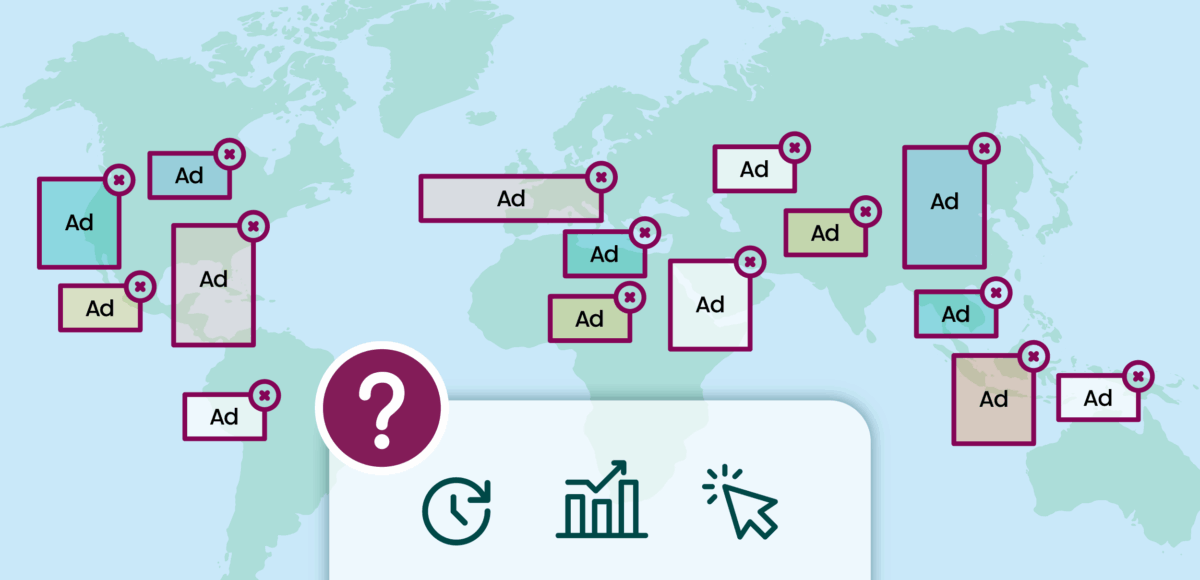
We Now Know What Ad Was Served. We Still Don’t Know if it Mattered.

The IAB’s new ACIF standard brings much-needed structure to creative asset tracking in programmatic advertising. It’s a meaningful step — but knowing what was served isn’t the same as knowing if it mattered. This piece explores what ACIF fixes, what it doesn’t, and why understanding the experience of an ad is key to measuring true impact.